
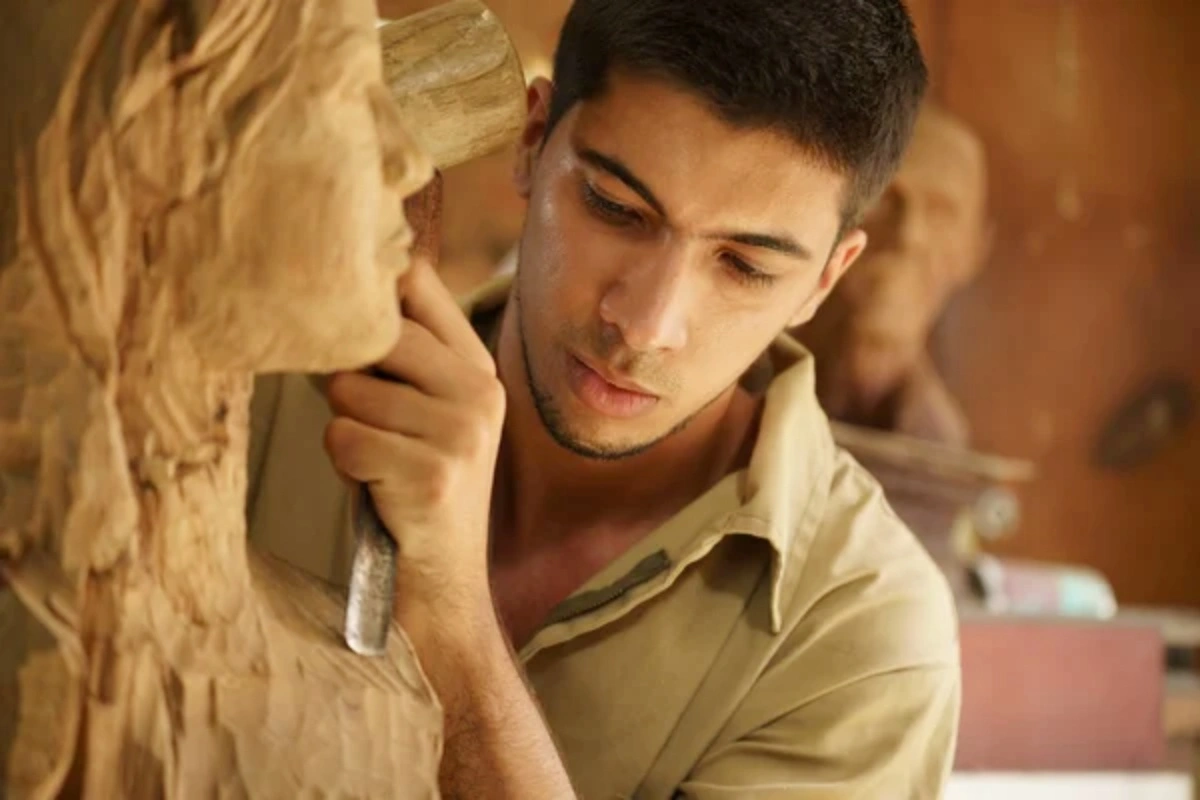
Give two engravers the same design and the same metal, and the results can look completely different. One might create something that looks like a work of art. The other might produce a piece that feels rather ordinary. The design alone doesn’t explain the difference. Much depends on how the engraver handles texture, edges, and depth.
There’s not much room to work with when engraving jewelry. A ring may have only a few square centimeters of carved surface, and some pendant details are smaller than a fingernail. Every line has to fit the design, and even a slight change in depth can affect how the finished piece catches the light.
What Gives Fine Jewelry Engraving Its Detail?
Take a close look at a well-engraved ring or pendant. The lines tend to flow naturally, the depth changes without looking forced, and different textures work together rather than competing for attention.
Fluid lines: Rough starts and sudden stops can make an engraved pattern look clumsy. On a well-finished piece, the lines move smoothly across the metal, and changes in thickness look intentional. Getting that right takes practice. The engraver has to pay attention to wrist pressure, blade angle, and cutting speed, sometimes adjusting all three within a single stroke.
Depth: Cutting every line to the same depth can leave a pattern looking flat. Small changes in depth help bring out curves and details, especially where light falls across the metal. Deep relief engraving makes use of this contrast, with recessed and raised areas giving the design a more pronounced, three-dimensional appearance.
Texture: Repeating the same cut won’t always produce an interesting surface. Skilled engravers combine different line directions, spacing, and depths to create more complex patterns. The Italian bulino technique, for example, uses fine cuts to build detailed images on metal. Small changes in the lines can alter the way light reflects off the surface. Gold silk-line engraving takes a different approach, relying on fine, parallel lines to create a smooth finish with a soft, silk-like sheen.
Large sculptures have room to make an impression through size alone. Jewelry doesn’t have that advantage. A ring shank may be just a few millimeters wide, and a small mistake can stand out immediately. Engraving at this scale leaves little room for uneven cuts or misplaced lines.
Why Edge Finishing Matters in Jewelry Engraving
The main pattern might look good, but the smaller transitions can tell a different story. Pay attention to where two textures meet, how a line ends, and what happens in the darker parts of a design.
Pattern junctions: When two engraved textures meet, the transition shouldn’t look abrupt or out of place. During wax carving, a small gouge can help refine the edges and clean up the details around these junctions. Too much cutting in the wrong place can disturb the surrounding pattern, so the work calls for a steady hand.
Pattern endings: Some lines look better when they gradually narrow rather than stop suddenly. This is especially noticeable in flowing patterns, where a blunt ending can make an otherwise smooth design look unfinished. When preparing a wax model, progressively finer sandpaper, such as 400, 800, and 1200 grit, can help smooth the surface. Fine details need extra care, though. Sand too aggressively, and the very features that make the design interesting may disappear.
Shadowed areas: Engravers use changes in line spacing and depth to create shadows within a pattern. These cuts are often finer and closer together than those in the main design. If they’re too deep or crowded, the pattern can look muddy. If they’re too light or far apart, the shading may not add much depth at all.
There is still work to do after the engraving itself is finished. Small metal burrs need to be removed, and rough edges need attention. These flaws can affect the way jewelry feels against the skin, not just how it looks. They can also interfere with reflections, leaving parts of the surface looking uneven. Careful deburring and polishing help bring the engraved details together.
Finding Tiny Engraving Flaws with a Stereo Microscope
Some flaws are easy to miss when looking at a ring or pendant with the naked eye. A line may appear smooth until you examine it more closely, or a polished surface may reveal scratches under magnification. A stereo microscope gives jewelers and engravers a closer, three-dimensional view of these small details.
Here are a few problems that become easier to spot during magnified inspection.
Burrs: Cutting into metal can leave tiny raised edges along an engraved line. They’re not always obvious without magnification, especially on intricate patterns. Polishing may flatten some burrs without removing them completely, leaving marks or uneven reflections behind. Under a stereo microscope, it’s easier to locate these rough spots and check whether they need further finishing.
Scratches: A tool that slips slightly can leave a mark, as can abrasive particles during sanding and polishing. One tiny scratch may not change the overall appearance much, but a group of them can make a metal surface look dull. Magnification helps reveal scratches that might otherwise go unnoticed until the piece catches the light at a particular angle. Depending on the model, a jewelry inspection microscope may offer magnification ranges of around 10x to 70x or more.
Uneven textures: Engraved lines don’t always follow their intended path perfectly. A slight change in pressure or tool angle can cause a line to wander or change depth. From a normal viewing distance, the difference may be hard to explain; under a stereo microscope, the uneven section becomes easier to examine. This is particularly useful when checking fine patterns where consistent lines and smooth transitions matter.
Final Thoughts
Good jewelry engraving comes down to details that can be easy to overlook. A line that ends too abruptly, a rough edge, or a small scratch may seem insignificant on its own, but these imperfections can affect the look of the finished piece.
A stereo microscope makes it easier to inspect those details before calling the work finished. Engravers can take a closer look at rough cuts, check the consistency of a pattern, and decide where further polishing or correction is needed. When working on such a small scale, being able to see exactly what’s happening on the metal surface can make a real difference.

