
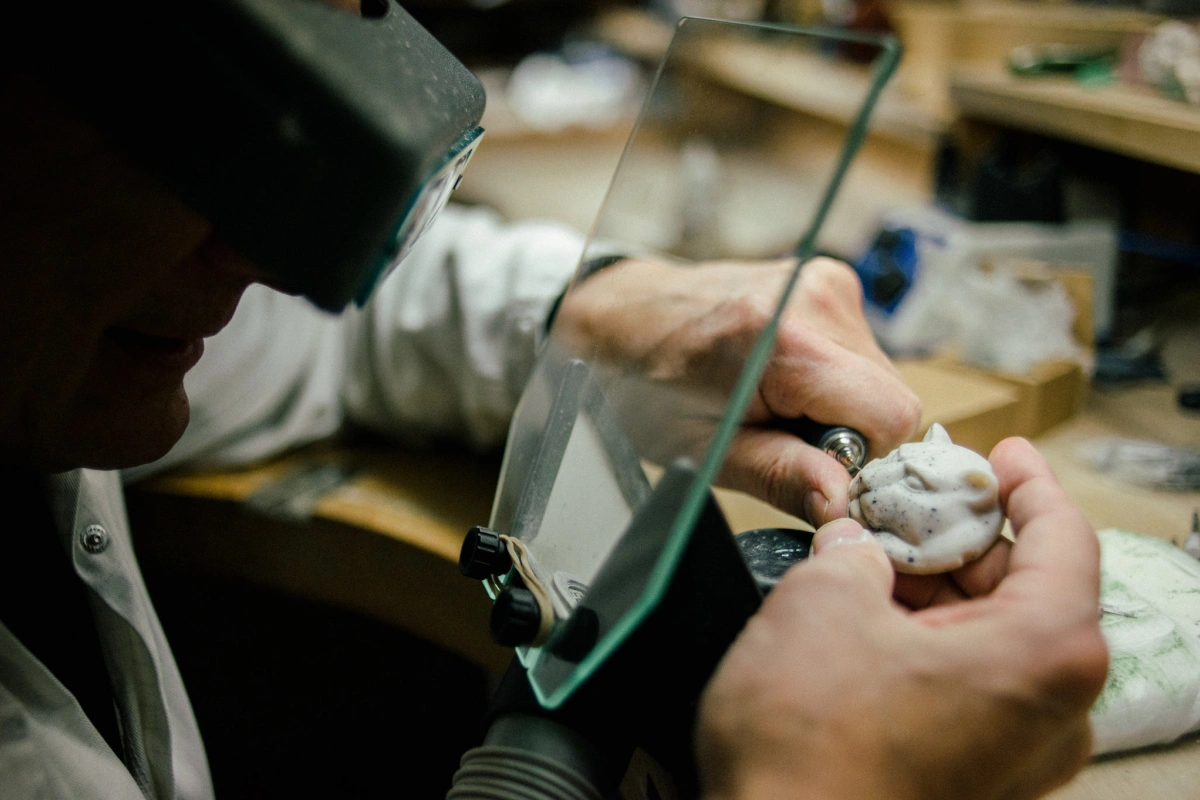
As modern technology continues to advance, some traditional hand engraving methods have been phased out. However, most engraving techniques have been integrated with modern equipment and upgraded with new technology. Rotary engraving is a method that carves grooves into a substrate. It was originally done by hand, but today it is supported by software-powered machines, especially when using modern pneumatic engravers. A pneumatic engraver allows rotary engraving to remove material using a high-speed rotating cutter, creating clean, even grooves at a set depth. What makes a pneumatic engraver unique is that its engraving pen allows you to easily switch between different drill bits and cutter heads.
This means you can perform traditional rotary engraving with one machine, as well as create a wide range of other engraving styles and textures.
How Rotary Engraving Works with a Pneumatic Engraver
Before laser engraving became widespread, mechanical rotary engraving was the industry standard. Today, pneumatic engravers have improved this process by using air pressure to drive a rotating engraving cutter. The pneumatic system not only cuts or carves material but also delivers steady, consistent force, reducing hand fatigue and improving precision.
With software-controlled pneumatic engravers, you can now follow your own design files repeatedly by adjusting the pneumatic engraver to the right speed. For example, lowering the air compressor output pressure will slow down the engraving pen, making it ideal for fine, shallow engraving. Increasing the pressure will speed up the tool, which works better for deep carving and fast cutting. The normal working pressure is generally between 0.4–0.6 MPa. This allows you to create highly detailed and precise designs with less time and effort.
Many people also combine diamond drag engraving with rotary engraving. This method uses a non-rotating diamond tip that glides across the material surface instead of cutting into it. It creates shallow, clean marks with almost no dust and works at high speeds. This method is especially popular for jewelry, metal nameplates, industrial tags, and serial number plates. Using marking compound can darken engraved lines for stronger contrast.
The biggest advantage of using a pneumatic engraver for rotary engraving is its flexibility. The engraving pen is compatible with many types of cutters and drill bits, so you can achieve different effects without using multiple machines. If you choose the Lakimi pneumatic engraver, you will receive a complete set of high-quality engraving drill bits and cutter heads, so you can start working right away.
Equipment and Essential Engraving Tools
Pneumatic rotary engraving requires several key pieces of equipment to achieve clean, consistent results. The most important part is the pneumatic engraver itself, with its interchangeable engraving pen and various cutter heads. Unlike fixed rotary tools, this system allows quick cutter changes to switch between deep rotary cuts, fine detail lines, and textured engraving.
If you want to complete rotary engraving more quickly, you can choose a CNC engraving machine. You design your graphics or text in vector software, which then sends digital instructions to the machine. The system moves the engraving pen along the X and Y axes while controlling depth through the Z-axis. Most manufacturers provide their own custom software, and third-party engraving programs are also available for smoother communication between your design and the machine.
One often-overlooked but essential tool is a ball vise to hold materials steady. Even slight movement during rotary engraving can ruin your design. A ball vice holds material firmly in place, ensuring clean lines and accurate depth control. This is especially important when working with small parts, metal blanks, or acrylic sheets.
If you are engraving plastic or acrylic, a small vacuum system is also helpful. It clears away plastic chips that build up under the engraving pen, preventing uneven cuts or surface scratches. Without proper cleanup, chips can lift the material slightly and unexpectedly change the cutting depth.
Some users also use burnishing cutters for rotary engraving. These wide, multi-sided tips skim the surface layer of coated materials to reveal the color underneath. They work quickly and are ideal for simple text and signs. With a pneumatic engraver, you can switch to a burnishing tip in seconds without changing machines.
Applications of Pneumatic Rotary Engraving
Rotary engraving with a pneumatic engraver works on nearly any material, including various plastics, acrylic, and wood.It is suitable for glass, ceramic, stone, and solid surface materials. With the right cutter heads, it can also work with all types of machinable metals, such as aluminum, brass, silver, gold, stainless steel, titanium, and platinum.
Common applications include personalized watches, identification bracelets, metal pens, medals, wedding rings, charms, cake knives, and custom metal nameplates. It is also widely used for trophy plates, plaques, and corporate gifts. While laser engraving works well for many awards, pneumatic rotary engraving often performs better on traditional gift items such as jewelry, wine glasses, flasks, and decorative boxes.
For ADA-compliant signage, pneumatic rotary engraving has a clear advantage. It easily creates raised lettering and precise holes for Braille beads — something lasers cannot do effectively. The same machine can cut letters, drill small holes, and insert Braille beads simply by switching cutter heads.
The industrial market also relies heavily on pneumatic rotary engraving for machine tags, equipment labels, and permanent part marking. Many customers prefer rotary engraving over laser marking because it creates real, physical depth in the material. This not only looks more professional but also ensures engravings last for years without fading.
Pneumatic Rotary Engraving vs. Laser Engraving
Pneumatic rotary engraving creates deep, long-lasting marks that never fade. It works on nearly any material and often completes projects in a single step. Its limitations are that corners may be slightly rounded, fine lines require slower speeds, and large filled areas may show a slight hatch pattern.
Laser engraving works by vaporizing or discoloring the material surface. It produces sharp corners, fine lines, and fast marking speeds. However, it is less efficient for large solid areas, often requires extra steps, and has material size limitations. Lasers also cannot create the deep, tactile grooves that make rotary engraving so popular.
Unique Advantages of Rotary Engraving with a Pneumatic Engraver
Whether you are making signs, jewelry, personalized gifts, or industrial tags, this tool is extremely practical thanks to its ability to easily switch between drill bits and cutter heads.
If you want a ready-to-use system with all necessary accessories, the Lakimi pneumatic engraver comes with a complete set of engraving drill bits and cutter heads, so you can focus on creating instead of shopping for extra parts.
To learn more about different engraving styles and tools, explore our other guides to engraving techniques.