
Compound Microscopes
Showing all 8 results
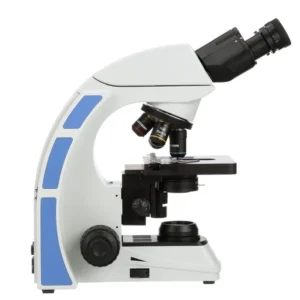
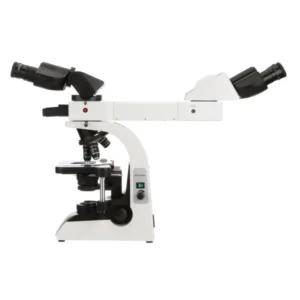
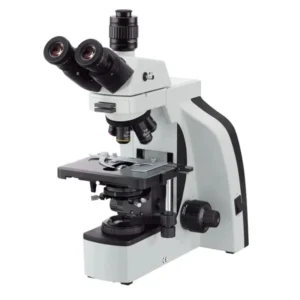
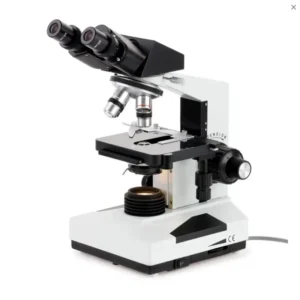
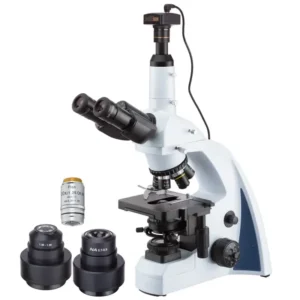
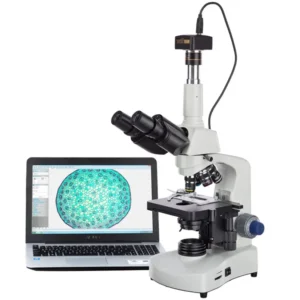
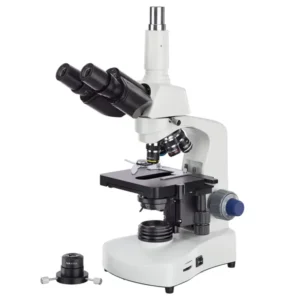
Showing all 8 results
See Tiny Details Come Into Focus with Compound Microscopes
Compound microscopes are designed for examining fine details at higher magnification levels than traditional stereo viewing systems. They are widely used for laboratory observation, educational studies, biological analysis, and material inspection. A compound light microscope can reveal structures that are difficult to observe with lower-powered optical equipment, making it a valuable tool for both learning and professional applications.
Lakimi offers a range of compound microscopes featuring dependable optics, stable illumination, and comfortable viewing configurations. Whether you’re looking for a binocular compound microscope for extended observation sessions or a laboratory compound microscope for daily use, these systems provide the clarity needed for detailed examination.
FAQ
Q1: What is the difference between a compound microscope and a stereo microscope?
A1: A compound microscope is designed for higher magnification and detailed specimen observation, while a stereo microscope provides a three-dimensional view that is often preferred for inspection and hands-on work.
Q2: Is a binocular compound microscope better than a monocular model?
A2: Many users prefer binocular viewing because it can provide a more comfortable experience during longer observation periods.
Q3: What types of samples work best with compound microscopes?
A3: Compound microscopes are commonly used for biological specimens, prepared slides, fibers, small structures, and laboratory applications.
Q4: Can beginners use a compound microscope?
A4: Yes. Many models are designed for students, educators, hobbyists, and first-time microscope users.